Breathing seems natural. Yet many people unknowingly breathe too quickly, too shallowly, or through the mouth, which affects your energy, sleep, and focus. In this blog, you will discover why calm, mindful breathing is essential for your well-being and how you can easily improve it.
What is healthy breathing?
Healthy breathing is calm, deep, and mainly through the nose. At rest, you ideally breathe 6 to 10 times per minute. For many people, this number is higher, which can lead to tiredness and stress. Nasal breathing is crucial here: it filters, warms, and moistens the air, and stimulates the production of nitric oxide (NO), which widens the blood vessels and improves oxygen uptake.
The impact of breathing on energy and focus
Shallow breathing limits oxygen intake, leading to tiredness and concentration problems. By consciously breathing slower and deeper, you activate the calming nervous system, which brings relaxation and better focus.
Breathing and sleep quality
Calm breathing helps you fall asleep faster and sleep more deeply. Nasal breathing prevents snoring and sleep apnea because it keeps the airways open and regulates breathing. Mouth breathing, on the other hand, can cause a dry mouth, snoring, and restless sleep.
Common breathing problems
- Mouth breathing: Can lead to snoring, dry mouth, and reduced sleep quality.
- High breathing: Breathing from the chest instead of the belly, often due to stress.
- Chronic overbreathing: Too fast breathing, which can cause dizziness and tiredness.
Tips to improve your breathing
1. Awareness
Pay attention to your breathing throughout the day. Do you breathe through your nose or mouth? Is your breathing fast or slow? This awareness is the first step toward improvement.
2. Practice nasal breathing
Try to consciously breathe through your nose, especially during moments of rest. This improves oxygen uptake and promotes relaxation.
3. Breathing exercises
- 4-7-8 technique: Breathe in for 4 seconds, hold for 7 seconds, breathe out for 8 seconds. Repeat several times to relax.
- Box breathing: Breathe in for 4 seconds, hold for 4 seconds, breathe out for 4 seconds, hold for 4 seconds. Repeat this pattern for more focus.
4. Sleeping position
Sleeping on your side can improve breathing and reduce snoring. You can use a special pillow to support this position.
5. Use of aids
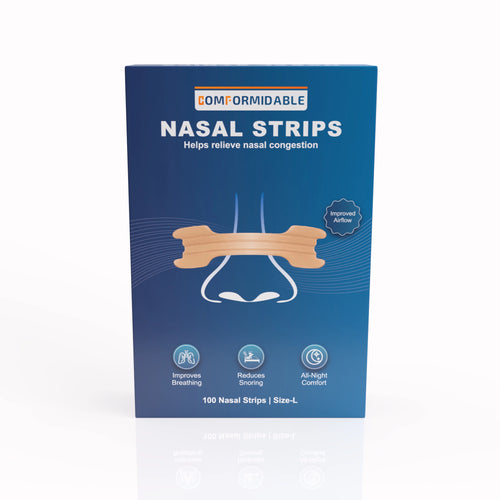
Nasal strips can help keep the nostrils open, which promotes nasal breathing and reduces snoring.
Good breathing is essential for your energy, sleep, and focus. By breathing mindfully, especially through the nose, you can reduce stress, sleep better, and improve your concentration. With simple adjustments and exercises, you can optimize your breathing and improve your overall well-being.
Frequently asked questions
What does your nose do with the air you breathe in?
The nose filters dust particles, warms the air and moistens it before it reaches your lungs. Mouth breathing does none of those three things.
Is breathing through your mouth bad?
Habitual mouth breathing means unfiltered, dry air and often a dry mouth when you wake up. The nose is the route your body is built for.
How do you start breathing better?
Check yourself a few times during the day and breathe consciously through your nose. At night, nasal strips or mouth tape can help.